






Policy Frameworks vs. Pipeline Reality
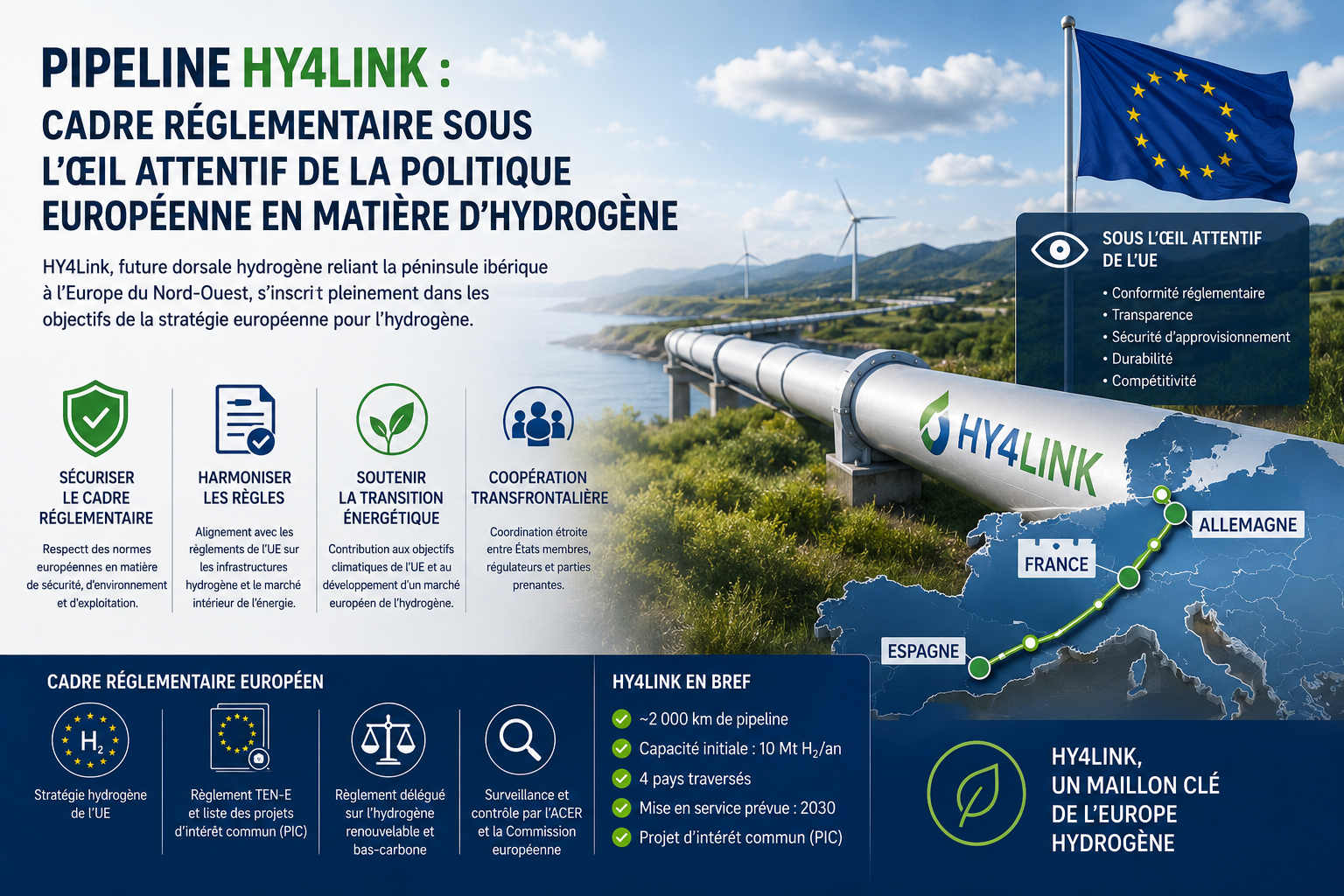
The Renewable Energy Directive III (RED III) and ReFuelEU Aviation both mandate steep uptake curves for renewable fuels of non-biological origin—including hydrogen and its derivatives—yet neither directive prescribes detailed infrastructure certification standards for cross-border pipelines. HY4Link, conceived to carry green hydrogen from production hubs in Belgium through Luxembourg and eastern France into industrial clusters in Germany’s Saarland, remains caught between national permitting regimes, geological surveys, and unclear guarantees-of-origin rules for molecules in transit across four jurisdictions.
Belgium’s revised hydrogen strategy, unveiled earlier this year at the Port of Antwerp-Bruges, emphasises import terminals and coastal electrolysis but offers less clarity on inland pipeline corridors. Without harmonised EU technical codes—covering purity thresholds, blending ratios with natural gas, and cross-border liability—projects like HY4Link face prolonged pre-investment limbo. The European Hydrogen Observatory lists Belgium’s national strategy but flags persistent gaps in trans-European network governance.
Certification Bottlenecks and Guarantees of Origin
Under RED III Article 27, renewable hydrogen must meet strict additionality, temporal correlation and geographic correlation criteria to qualify for sustainability credits. Yet no EU-wide system currently tracks hydrogen molecules moving through shared pipelines, complicating the issuance of guarantees of origin (GOs) for fuels that cross multiple member states. HY4Link’s silence may reflect stakeholder hesitation to commit capital before GO traceability rules solidify, especially when downstream off-takers in aviation (subject to ReFuelEU sub-mandates for e-kerosene) or maritime sectors demand auditable proof of renewable provenance.
The upcoming Hydrogen Valleys Days event in Antwerp—scheduled for 4–8 May 2026 and organised by the Clean Hydrogen Partnership—will gather regional projects to share lessons learned. Whether HY4Link surfaces with concrete progress remains to be seen, but the conference agenda signals Brussels’ recognition that valleys and cross-border arteries must align if RED III’s 42 % renewable-energy target for 2030 is to be met.
Looking Ahead: Infrastructure Delegated Acts
The European Commission is expected to publish delegated acts on hydrogen network access and tariff structures by late 2026, potentially unlocking investment in projects like HY4Link. Until then, developers face a patchwork of national grid codes and incomplete answers on who bears stranded-asset risk if demand forecasts—anchored to ReFuelEU and FuelEU Maritime mandates—fall short. Meanwhile, parallel R&D efforts such as the SUPREME project (cutting PEM electrolyser iridium use by 75 % and targeting PFAS-free membranes) promise cheaper hydrogen supply, but distribution bottlenecks will remain if pipeline policy lags behind production innovation.
Sources
- Event announcement: Hydrogen Valleys Days – 4–8 May 2026, Antwerp, Belgium – Clean Hydrogen Partnership
- Belgium | European Hydrogen Observatory
- Belgium’s revised hydrogen strategy unveiled at Port of Antwerp-Bruges
- Hydrogen Valleys Days – 4–8 May 2026, Antwerp, Belgium – Clean Hydrogen Partnership
Featured image via Unsplash.