






Cross-Border Hydrogen Infrastructure and EU Regulatory Alignment
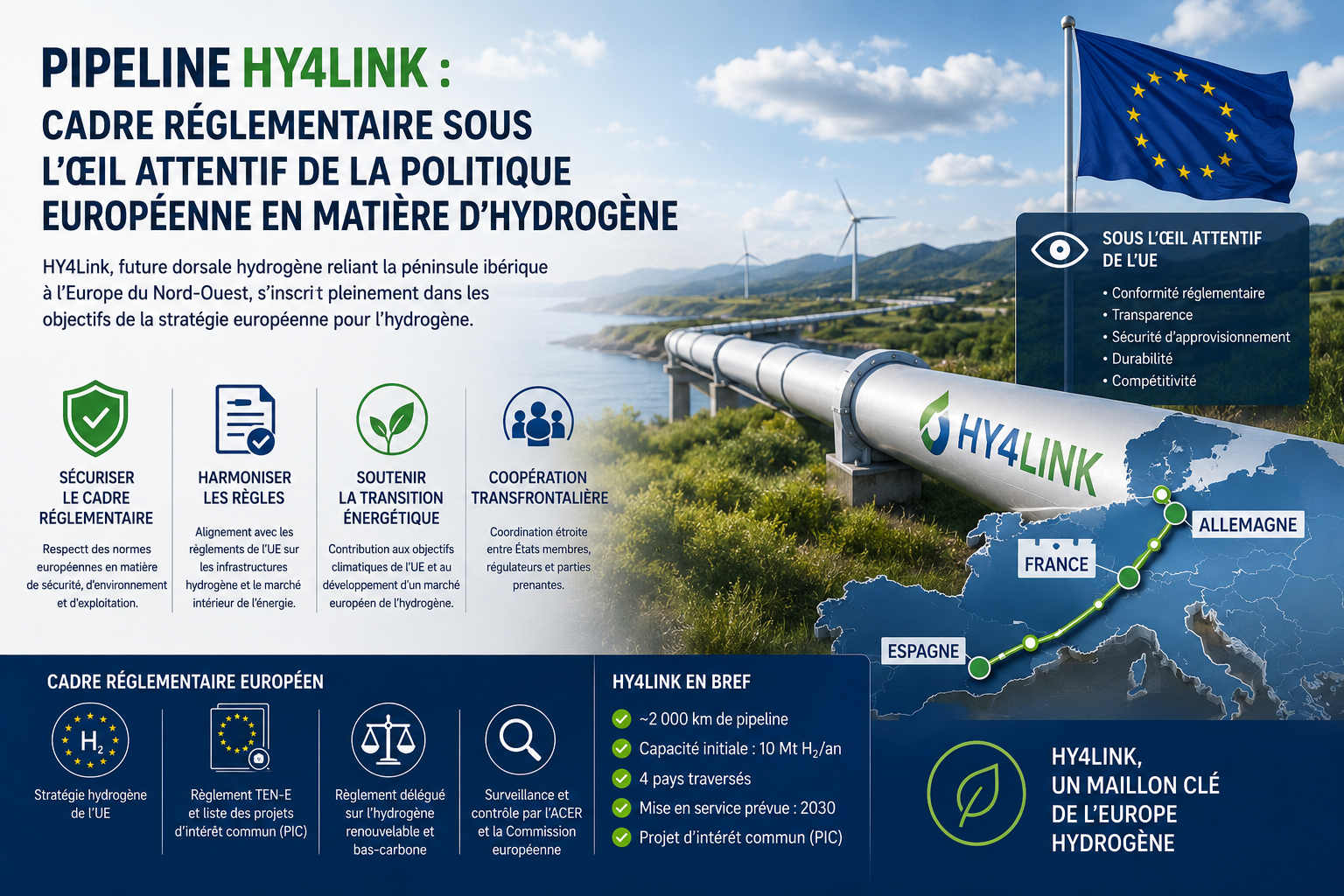
The HY4Link pipeline, connecting Belgium with neighbouring jurisdictions in the Greater Region, exemplifies the regulatory challenge facing transnational hydrogen infrastructure. Under RED III, renewable hydrogen used in transport and industry must meet stringent sustainability criteria and traceability requirements. Cross-border pipelines must establish clear certification chains to ensure that hydrogen molecules qualify as renewable fuels of non-biological origin (RFNBOs) across multiple member states, each with potentially divergent national implementation timelines.
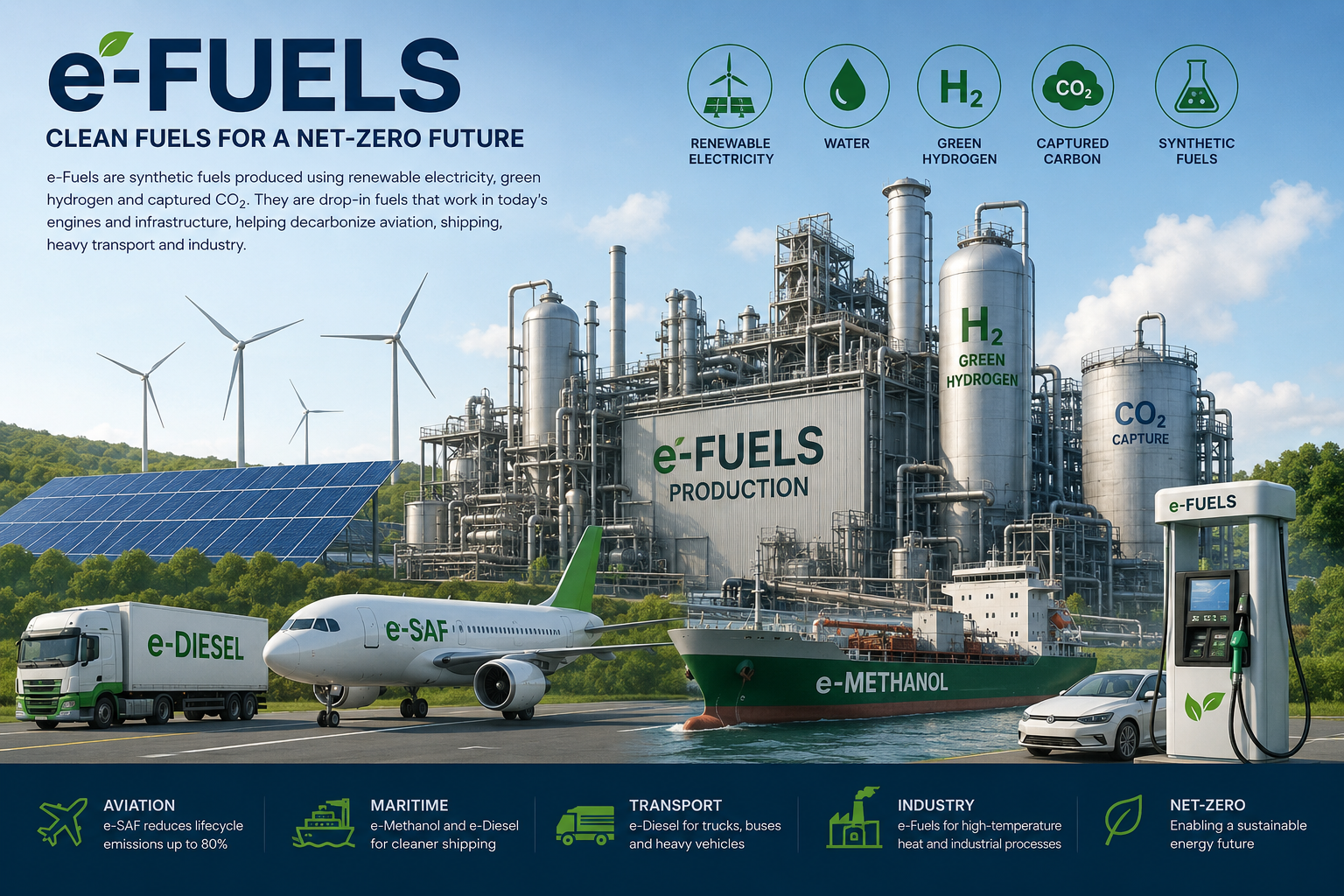
Belgium’s Federal Climate Ministry has signalled policy support for hydrogen infrastructure, with statements highlighting the strategic value of domestic geological hydrogen exploration alongside imported renewable supplies. The European Climate, Infrastructure and Environment Executive Agency (CINEA) has identified Belgium as a key accelerator market, with projects like the 25 MW Hyoffwind green hydrogen production plant—developed by John Cockerill and BESIX—demonstrating industrial-scale electrolysis deployment. Pipeline projects such as HY4Link will require parallel certification frameworks to monetise these production assets under ReFuelEU Aviation and FuelEU Maritime mandates, where renewable hydrogen and its derivatives (e-kerosene, e-methanol) face escalating blending obligations through 2030 and beyond.
Certification Pathways and Policy Levers for Pipeline-Transported Hydrogen
RED III Article 27 establishes the framework for certifying renewable hydrogen, requiring additionality, temporal correlation, and geographic correlation between electrolysis and renewable electricity generation. For pipeline-transported hydrogen, the challenge intensifies: blending, batch tracking, and mass-balance accounting across jurisdictions must satisfy both origin guarantees and sustainability audits. Belgium’s participation in the Clean Hydrogen Partnership—which will convene Hydrogen Valleys Days from 4–8 May 2026 in Antwerp—underscores efforts to harmonise certification standards and operational protocols for cross-border hydrogen corridors.
Policy levers available to de-risk HY4Link and similar infrastructure include EU Projects of Common Interest (PCI) designation, which can unlock co-financing and streamline permitting across borders. Belgium’s national hydrogen strategy, documented by the European Hydrogen Observatory, prioritises industrial decarbonisation and integration with renewable electricity grids, creating regulatory tailwinds for pipeline projects that can demonstrate compliance with RED III sustainability criteria and contribute to binding sectoral targets under ReFuelEU and FuelEU frameworks.
Next Steps: From Policy to Operational Certification
As HY4Link progresses from planning to construction, developers must secure certification under the EU’s forthcoming delegated acts on RFNBOs, coordinate with transmission system operators under the European Hydrogen Backbone framework, and align with national support schemes. Belgium’s dual focus on green hydrogen production (exemplified by Hyoffwind) and potential geological hydrogen reserves positions the country as a test case for integrated certification regimes that can accommodate both electrolytic and natural hydrogen sources within a single regulatory framework, provided sustainability and lifecycle emissions criteria are met.
Sources
- Event announcement: Hydrogen Valleys Days – 4–8 May 2026, Antwerp, Belgium – Clean Hydrogen Partnership
- Your EU – Your Projects in Belgium: accelerating hydrogen – European Climate, Infrastructure and Environment Executive Agency
- Belgium | European Hydrogen Observatory
- Hyoffwind, Belgium’s first green hydrogen production plant: John Cockerill and BESIX confirmed as first-class industrial
Featured image via Unsplash.